A Pain-Relief Graphic for Health & Lifestyle Blog Graphics
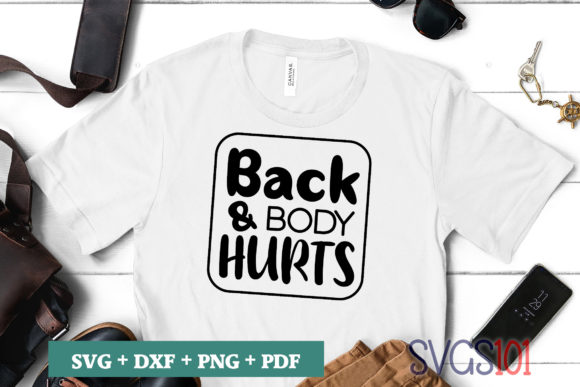
Every time I prepare a blog post, newsletter, or social media campaign, my first question is: what visual will anchor this content? It's not just decoration; it's communication. Today, I'm reviewing a graphic design asset called Back and Body Hurts SVG for real-world publishing use. This isn't just a t-shirt design; it's a versatile graphic that can shape how readers perceive your entire article.
First Impression: Bold, Direct, and Empathetic Editorial Mood
Upon opening the file, the design’s immediate vibe is clear and relatable. The title "Back and Body Hurts" isn't subtle. It's a statement. For a publisher, this creates an editorial mood of direct empathy and practical focus. It feels lifestyle-focused and educational, perfectly suited for health, wellness, fitness, or self-care niches. The bold, often illustrative style common in these graphics conveys a modern, slightly artistic touch that feels more approachable than sterile medical imagery.
From SVG to Featured Image: Real Publishing Applications
The provided file formats—SVG for scalable vector use, DXF for cutting software, and high-resolution PNG—are a publisher’s toolkit. The PNG is the immediate star for web work. Here’s how I’d deploy Back and Body Hurts SVG in a real content workflow:
- Blog Featured Images & Article Headers: Scale the PNG to create a striking hero image for posts about posture, ergonomics, yoga for back pain, or home workout tips. It establishes visual hierarchy instantly.
- Pinterest Pins & Social Media Graphics: This design is inherently clickable. Its clear topic declaration makes it ideal for Pinterest pins driving traffic to your guides or downloadable resources.
- Digital Guides & Lead Magnet Covers: Use it as a cover graphic for a "10 Stretches for Desk Workers" PDF or an eBook on holistic pain relief. It boosts perceived value and professionalism.
- Newsletter Banners & Category Thumbnails: Implement it in your email marketing to visually tag content related to wellness, creating consistent brand identity across your website and newsletters.
- Affiliate Content Visuals: If promoting ergonomic chairs, massage tools, or fitness programs, this asset creates a trustworthy, topic-specific visual context that supports affiliate marketing.
How This Design Asset Supports Content Performance
Polished visuals aren't vanity; they're utility. Using Back and Body Hurts SVG strategically can directly impact performance.
- Stronger First Impression: A visitor instantly understands the content's core topic, increasing engagement time.
- Better Click-Through Potential: On social media or in email, a clear, bold graphic stands out in a crowded feed.
- Improved Reader Trust: Professional-looking blog graphics signal authority and care, making readers more likely to trust your advice or download your resources.
- Stronger Visual Identity: Repeated use across your wellness content creates a recognizable sub-brand within your overall site design.
The Perfect Placement: Where This Graphic Works Best
This asset shines in specific editorial roles. I'd prioritize it for hero images at the top of articles, large Pinterest pins, and as a primary visual for downloadable resources like worksheets or printables. It’s excellent for category visuals on a blog’s wellness section page and as a banner for a dedicated newsletter series on health tips.
Publisher Notes: Practical Integration into Your Workflow
Before hitting publish, here’s my checklist for using any graphic like this in live content:
- Test Scaling: View it on desktop and mobile. Ensure it remains clear and legible as a small thumbnail on your blog’s homepage.
- Preview in Layout: Drop it into a draft post with your headline text. Does it complement your typography? Try it alongside a clean sans-serif font for a modern look, or a serif for a more editorial feel.
- Check Contrast & Readability: If placing text over it, ensure areas of the design don’t interfere. Sometimes converting a portion to black and white for background use can improve readability.
- Optimize for Web: Compress the PNG properly. Large file sizes hurt page speed. The SVG format offers fantastic scalability without quality loss for certain web applications.
- Confirm Licensing: Always verify the commercial license. For use on monetized websites, affiliate pages, or within paid digital products like Canva templates you sell, clear commercial use is essential.
Contextual Sensitivity: Where to Use with Care
While versatile, Back and Body Hurts SVG has a specific tone. Use it carefully in serious professional niches like academic medical journals or corporate healthcare reports, where a more minimal, data-driven visual system is expected. Avoid placing it on overly busy layouts or low-contrast backgrounds where its message gets lost. In very text-heavy blog images, it might dominate; sometimes a simpler icon extraction from the design works better.
Elevating Your Visual Content Library
Ultimately, a graphic like Back and Body Hurts SVG moves you from using generic stock photos to owning tailored design assets. It allows you, as a blogger, designer, or small business owner, to produce consistent, high-quality visual content for content marketing without needing deep design skills each time. It supports a cohesive look across your blog graphics, digital guides, and social media presence, turning single-purpose t-shirt designs into multi-purpose publishing tools. That’s the real value for any digital publisher building trust and authority in a visual world.