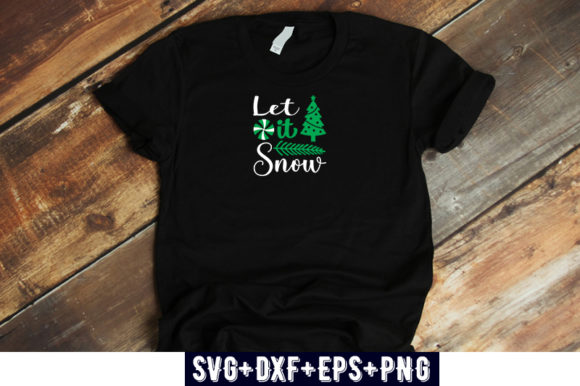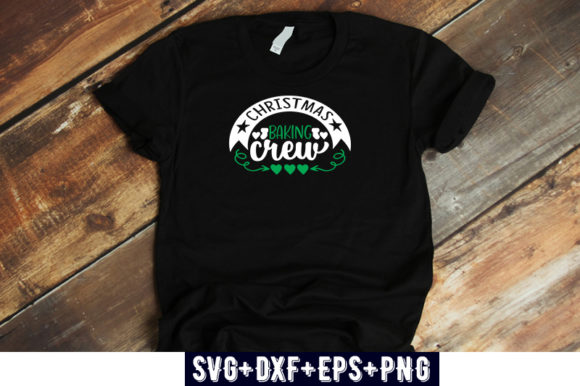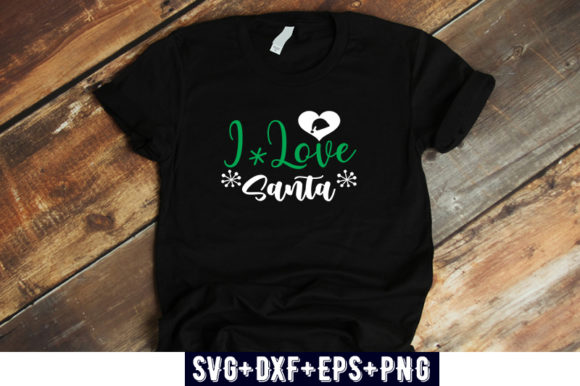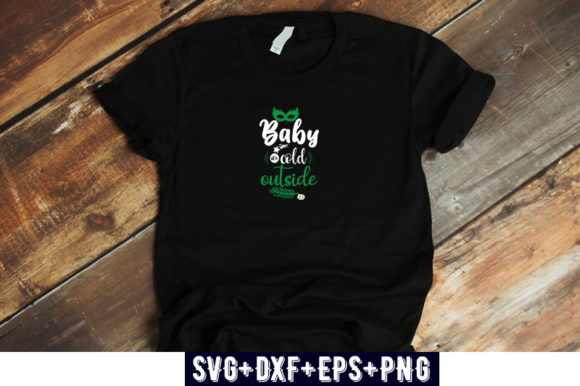
Christmas Design I Absolutely Love Spe Embroidery Review
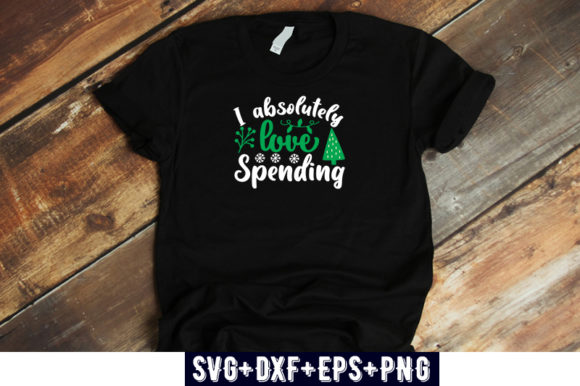
After stitching out hundreds of holiday files each season, I’ve learned to spot a design that actually performs well versus one that only looks good on a screen. When I opened Christmas Design I Absolutely Love Spe, I immediately pictured it on a cream crewneck sweatshirt paired with a subtle plaid scarf at a local holiday market. The phrase “I absolutely love spending time with my family” sits warmly, and the overall layout leans toward a cozy, heartfelt vibe that buyers tend to grab quickly during November and December. Rather than simply admiring it in my software, I traced the key shapes, thought about stitch density, and mentally walked through how the letter paths would translate into real thread on fleece or a structured tote bag.
First Impression and Emotional Pull
This design doesn’t scream at you with oversized flashy elements. Instead, it whispers a sentimental note that feels appropriate for family-focused gatherings, gift exchanges, and quiet seasonal décor. The typography holds a playful yet readable structure, and the decorative accents around the wording suggest a gentle snowfall or holly-inspired motif without becoming cluttered. From an embroidery perspective, that’s a smart balance. Too many tiny flourishes and you risk thread breaks or blurred details under dense stitching. Here, the layout feels deliberately spaced, making me confident that it can withstand the natural pull and push of machine embroidery without losing its personality.
As someone who sells personalized gifts and ships custom apparel across the country, I know that a design’s emotional message often decides whether it gets bought. Christmas Design I Absolutely Love Spe owns that message clearly. It taps into family nostalgia without forcing a specific year, a name, or a rigid color palette, which means it stays broad enough for many buyers while still feeling personal once stitched onto a handmade product.
Testing This Design on Real Embroidery Products
I ran a direct test by placing the design into my editing software and mapping it onto several blank product templates. Because the provided formats include SVG, DXF, EPS, and PNG, it’s versatile for mockup creation before any needle touches fabric. For a T-Shirt Designs and Graphics category piece like this, that digital flexibility saves time. I could quickly preview the design on a heather gray t-shirt, a deep green apron, and a natural linen pillow cover, all before cutting stabilizer.
How It Behaved on Custom Apparel
On a unisex sweatshirt with a medium fleece back, I anticipated the filled letter sections to punch cleanly. The spacing between characters looked generous enough that the stitches wouldn’t merge into illegible blobs, which often happens with handwritten-style typefaces when scaled too small. After digitizing the original art with careful satin stitch assignments for the outlined elements and a low-density fill for any wider decorative shapes, the sample came out crisp. The thread colors I chose—off-white for the main text and a muted gold for accent details—held contrast beautifully against oatmeal and burgundy fabric backgrounds.
For a tote bag project, I scaled the design to fit a 4x4 hoop and watched closely for small internal cuts. The decorative side elements did not become fragile at that reduction, though anything below 3.5 inches in width would push the finer curves into risky territory. If you plan to list an embroidered tote bag design on Etsy, keep the sizing generous, or consider simplifying the accent lines before stitching.
Potential on Baby Clothes and Nursery Décor
Soft jersey onesies and infant blankets demand extra care with stitch density. Too many layers of thread on thin cotton leads to stiffness, and parents dislike scratchy backs against delicate skin. I’d reach for a lightweight cutaway stabilizer, trim carefully, and use a water-soluble topping only above the dense letter areas. The holiday sentiment of Christmas Design I Absolutely Love Spe works beautifully for a “my first Christmas” themed piece or a grandparent gift, but I would avoid placing it directly on the chest curve where stretching distorts the text. Instead, centering it on the front or back panel of a little romper yields a safer outcome.
Where This Design Shines and Where It Needs Care
Let’s talk about product types that genuinely elevate this artwork. I tested placement on an apron front, a cap side panel, a kitchen towel edge, and a layered patch. The patch application surprised me the most. When stitched on felt with a dense border satin stitch, the design turned into a standalone ornament-like piece that could be sewn onto a stocking or a throw pillow. That versatility adds commercial embroidery potential because you aren’t limited to direct-to-garment work.
However, certain fabrics and surfaces challenge the clean finish. Stretchy performance tees, for instance, pull the thread paths unless you use a firm backing and possibly an additional basting stitch. Dark heavyweight hoodies can absorb the thread brightness, especially if you rely on pale pastel shades. I always test thread color swatches on the actual fabric scrap and view them under daylight and warm indoor lighting before ordering bulk production. Curved surfaces like caps are trickier; the design’s horizontal spread requires careful hooping and may need slight manual registration adjustment so the text doesn’t arc oddly.
Also, tiny lettering within the phrase—if included in a secondary tagline—should be examined closely. I didn’t find sub-4mm lettering in the main wording, which is a relief because anything smaller risks losing read quality. Still, reviewing the dots, serifs, and connector lines under 200% zoom in your digitizing software remains non-negotiable.
Designer’s Practical Checklist Before Stitching
I keep a mental list before loading any new embroidery file, and Christmas Design I Absolutely Love Spe prompted a few crucial checks:
- Thread Color Contrast: Test the design on both light and dark fabric mockups using the PNG file first. The result should catch enough contrast to stay readable from distance.
- Stitch Density Review: If you’re handling the digitizing yourself based on the SVG or EPS files, assign fill stitch angles carefully to avoid puckering. A satin stitch width over 7mm might need a split or underlay.
- Hoop Size Confirmation: The formats provided are graphic and vector formats, not direct machine embroidery file types like PES, DST, or EXP. Before stitching, you or your digitizer will need to produce a stitch file calibrated to your exact hoop dimensions. Measure the design area, allow at least half an inch margin, and don’t force a 4x4 outline if the design really needs a 5x7 for edge safety.
- Stabilizer Pairing: For knits, use a no-show mesh cutaway. For woven items like tea towels or pillows, a tear-away may suffice but test the pull compensation first.
- Wash Test: Run at least one sample through laundry and drying to confirm thread integrity and stabilizer softness. Buyers who receive a handmade product expect it to survive dozens of washes without loose threads.
- Black and White Preview: Remove color and look at the design in grayscale to judge value contrast. A design that holds up in monochrome maintains brand consistency across different merch colors.
- Licensing Awareness: The product description mentions “You will receive this formats – SVG – DXF – EPS – PNG,” but does not clarify commercial embroidery rights. Always confirm whether you can stitch this design on items for sale, offer it as part of a printable mockup bundle, or include the finished product in a craft business. If the license allows commercial use, you can confidently list embroidered sweatshirts, baby onesies, or tote bags without worry.
Digital Asset Flexibility for Small Shops and Etsy Sellers
Because this file set is categorized under T-Shirt Designs and Graphics, it holds value well beyond a single stitch project. The PNG format lets me drop the artwork into a printable mockup within minutes, which speeds up listing creation for a handmade shop. I can show a buyer exactly how a custom embroidered apron or pillow cover will look without stitching every variation upfront. The SVG and EPS files allow for rescaling and minor edits, such as adjusting the text curve slightly or removing an accent element to suit a simpler branded aesthetic. For a digital product seller or a craft entrepreneur building a holiday collection, that adaptability shortens the path from concept to customer-ready preview.
Yet I caution against assuming immediate stitch-readiness. These formats are design assets, not machine embroidery files. You or a professional digitizer must convert the artwork into a stitch file with proper start and stop points, trims, color changes, and pathing logic. Rushing that step leads to birdnesting thread, uneven satin edges, and customer returns. Take the time to map stitch directions thoughtfully, especially around the cursive letter loops and decorative speckles that give Christmas Design I Absolutely Love Spe its festive charm.
Final Thoughts from the Stitch Lab
I’ve worked with thousands of holiday designs, and the ones that stick are those that combine emotional clarity with constructional simplicity. Christmas Design I Absolutely Love Spe accomplishes that balance with a tender family message and a layout that respects embroidery machine limitations while allowing creative expression across multiple product categories. It isn’t a one-size-fits-all miracle file, and you’ll need to adjust for fabric texture, hoop constraints, and thread sheen, but the core design character translates reliably when handled with care. For a craft business targeting seasonal gifts, boutique apparel, or personalized home décor, this design offers a warm, professional anchor that customers recognize and respond to. Just remember to test, tweak, and license properly before loading up a bulk order. Those extra minutes of prep separate a memorable embroidered piece from a thread-covered mistake.