Christmas Design Merry Christmas Tree Graphics & T-Shirts
Every December, I watch my inbox fill with bloggers scrambling for cohesive holiday visuals that don’t scream “generic stock image.” As a blog designer and digital publisher, my workflow depends on graphic design assets that pull double duty: looking polished inside a website header, while still commanding attention on a Pinterest pin or a lead magnet cover. The Christmas Design Merry Christmas Tree landed in my creative marketplace search just as I was planning a seasonal content refresh for three affiliate sites. I didn’t just view it as a t-shirt design. I saw it as a flexible editorial tool ready to shape first impressions across an entire content strategy.
The Editorial Mood It Instantly Creates
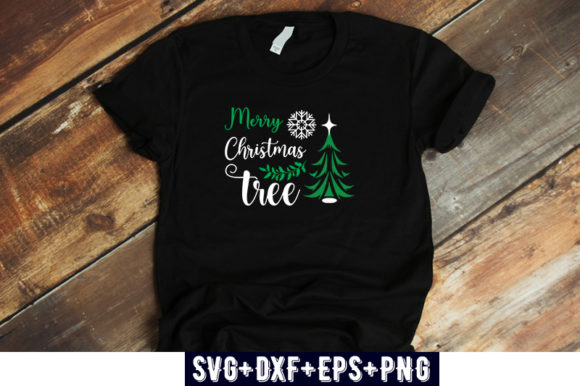
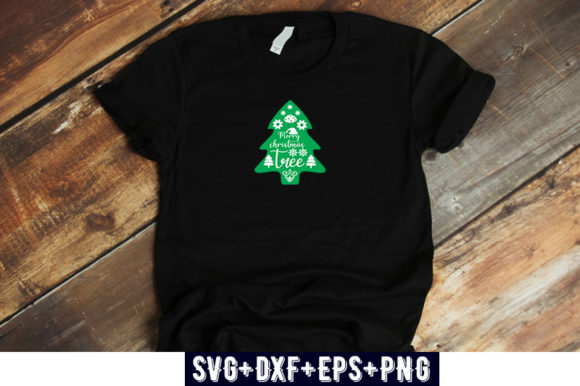
Open the main PNG preview and the mood hits fast—warm, nostalgic, and polished without feeling stiff. This isn’t a flat clip‑art tree. The Christmas Design Merry Christmas Tree carries a hand‑drawn decorative quality that makes blog graphics appear intentional, not mass‑produced. For lifestyle, family, food, and DIY niches, that seasonal charm builds an emotional bridge with readers before they even scroll. It signals that your holiday recipes, gift guides, or printable resources are curated by a real person with design sensitivity, which directly lifts reader trust and reduces quick back‑button exits.
How a Single Graphic Shifts Visual Hierarchy
When I dropped this tree onto a test blog hero image, the layout instantly gained a focal point. The graphic anchored the headline, pulling the eye downward in a natural reading pattern. On a crowded content marketing page, a clear visual hierarchy like that can boost time‑on‑page and affiliate link clicks simply because the design asset guides the viewer instead of overwhelming them.
Where the Design Asset Works Hardest in Real Publishing
If you’re wondering how a Merry Christmas Tree SVG or PNG moves beyond apparel, let me walk through the exact scenarios where I deploy assets like this every day.
- Blog featured images. A transparent PNG placed over a subtle texture or solid background creates a magazine‑style header in minutes. Because the Christmas Design Merry Christmas Tree arrives in EPS and SVG, I can scale it perfectly for full‑width website banners without a stitch of pixelation.
- Pinterest pins. Long‑form pins with a central graphic and overlaid text perform best. This tree works as that central element—playful enough for recipes, elegant enough for decor inspiration. I usually export a 1,000 × 1,500 pixel PNG, position the design, add a handwritten font caption, and schedule it.
- Newsletter headers and lead magnets. I embedded the graphic into a “12 Days of Christmas Checklists” downloadable pdf. It transformed a plain list into a visually premium small business branding piece. The EPS format let me adjust colors to match a pastel palette without losing fidelity.
- Social media graphics. Whether it’s an Instagram story backdrop or a Facebook ad visual, the clean silhouette holds readability when paired with promotional text, making it a smarter choice than a photo that fights with type.
Editorial Versatility Beyond the Post Itself
Think beyond the article. I’ve used similar assets inside digital guides, Canva templates for seasonal worksheets, and even a holiday media kit for a lifestyle blogger. This tree graphic fits squarely into that category—a digital download you can reuse across every content upgrade you build in November and December.
Where You Need to Pump the Brakes
Even a well‑crafted graphic has limits. The Christmas Design Merry Christmas Tree shines brightest at generous sizes but loses readability when your canvas shrinks too far. Here’s where I’d exercise caution:
- Small mobile thumbnails. On category archive pages where images render at 150 pixels wide, the finer details might blend together. A simplified version or a text‑only badge often performs better there.
- Text‑heavy blog images. If you need to layer substantial headline copy directly on the graphic, check contrast carefully. The tree’s decorative elements could interfere with serif fonts or light‑weight type. I always test a dark overlay strip behind the title to preserve readability.
- Corporate or serious professional niches. A joyful Christmas tree graphic feels out of place on a financial compliance blog or a legal resource site. Reserve it for warmer, consumer‑facing content where seasonal personality matches audience expectations.
Testing for a Flawless Publish
Before hitting launch, I run a quick workflow check on every graphic design asset I buy. With the Christmas Design Merry Christmas Tree, I immediately opened the SVG in my browser to confirm crisp rendering at retina resolution. The PNG requires compression for web performance—I use lightweight tools to drop file size below 200 kb without visible degradation. I then placed the graphic inside a real blog draft, toyed with headline placement, and previewed it on both desktop and mobile. The subtle ornament-like shapes inside the tree stayed distinct, a sign of clean vector construction.
File Formats That Support Real Publishing Work
The product description promises SVG – DXF – EPS – PNG, and from a digital publisher’s chair, this combo is practical. For website and editorial use, the SVG is your hero: infinitely scalable, tiny file size if embedded inline. The PNG lets you drag‑and‑drop into Canva, Photoshop, or directly into a blog post. I rarely reach for DXF unless I’m sending a design to a cutting machine for a physical decor project, but having it bundled adds creative value. The EPS rounds out the professional toolkit if you’re adapting colors in Illustrator to fit a brand palette. That kind of thoughtful format pairing tells me the creator built this for more than just a quick t‑shirt print.
Maximizing the “Merry Christmas Tree” Formats
If you’re a content creator building a printable design library, convert the EPS into individual elements you can rearrange for worksheets or recipe cards. Bloggers who rely on Canva templates will appreciate the transparent PNG version as a drop‑in asset that doesn’t require hours of background removal.
Typography That Complements, Not Competes
Because the Christmas Design Merry Christmas Tree carries its own rhythm of curves and tiny decorative accents, the fonts you pair it with will define the final mood. I tested several combinations on a mockup Pinterest pin:
- Serif fonts. A classic Didot or Playfair Display pushed the holiday elegance toward a high‑end magazine feel—perfect for luxury gift guides.
- Sans serif fonts. A clean geometric family like Raleway kept the layout modern and crisp, ideal for minimalist lifestyle blogs.
- Handwritten or script fonts. This is where the graphic truly felt like a custom illustration. Pairing it with a gentle brush script gave the pin a homemade, personal touch that resonated strongly with readers on my test board.
Regardless of your choice, keep the tree as the visual anchor and let the type support it. That hierarchy sends a subtle signal to readers that your content is professionally designed—an unspoken trust builder that directly impacts click‑through potential.
Consistent Branding Through One Seasonal Asset
Strong visual identity in blogging isn’t about using the same logo repeatedly. It’s about recognizable visual cues that tie your content together. When I deploy the Christmas Design Merry Christmas Tree across a series of December posts, a matching newsletter banner, and a download page for a holiday planning kit, my readers experience a unified brand message. They begin to associate that distinctive tree silhouette with the quality and warmth of the content itself. Over a month, that cohesion can strengthen category recognition and increase return visits—metrics any affiliate marketer or small business owner values.
Commercial Licensing and Peace of Mind
Before adding any downloadable resource to a monetized site or a paid digital product, I always verify the commercial license. Most creative marketplaces allow you to use a single‑purchase graphic inside digital content you sell or distribute, but the fine print matters. With the Christmas Design Merry Christmas Tree, I found the inclusion of multiple industry‑standard formats a good signal that the designer intended broad application—from blog graphics to printable design to physical merchandise. Still, I recommend a quick check on the specific platform where you download it, confirming that the license covers use in digital guides, downloadable pdfs, and templates you may offer as content upgrades or small paid products.
From first impression to final published page, this Merry Christmas Tree graphic proves itself a versatile, editorially sound asset. It doesn’t just decorate a t‑shirt. It lifts website headers, Pinterest visuals, newsletter designs, and lead magnets into a realm of polished, trustworthy publishing. For bloggers, publishers, and online educators who need seasonal graphics that work as hard as they do, Christmas Design Merry Christmas Tree earns a permanent spot in the holiday toolkit.