Christmas Jingle Bells Graphics for T-Shirt Designs
When a new seasonal graphic design asset lands in my library, I immediately test it against a real publishing workflow. I do not evaluate based on how it looks in isolation. I drop it into an actual blog layout, size it as a Pinterest pin, preview it as a newsletter header, and pair it with editorial typography. The Christmas Design Jingle Bells, Jingle passed through that exact process, and what stood out was how quickly it settled into a polished, playful, and commercially flexible visual identity without demanding hours of adjustment.
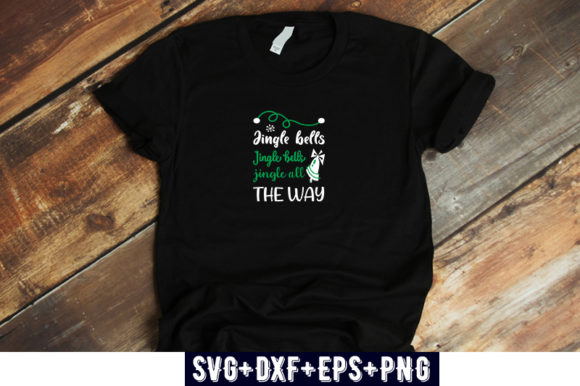
The first impression this design creates is cheerful without tipping into childish territory. It carries a musical, lighthearted energy that feels anchored in classic holiday nostalgia. The phrase Jingle bells, jingle bells, jingle all the way carries immediate recognition, and when rendered as a visual motif, it taps into a collective seasonal memory that spans generations. For publishers and content creators, that kind of instant emotional shorthand is valuable. It reduces the cognitive distance between a scrolling reader and a clicked link.
Editorial Mood and the Trust Factor in Seasonal Publishing
Every blog graphic sends a signal before a single headline is read. The Christmas Design Jingle Bells, Jingle sends a signal of warmth, approachability, and celebration. It leans into a lifestyle-friendly aesthetic that suits content niches built around family traditions, handmade gifting, holiday recipes, seasonal printables, cozy living, and festive DIY projects. For websites that monetize through affiliate marketing or digital product sales during the fourth quarter, this mood alignment matters. Readers make snap judgments about credibility based on visual polish, and a design that looks intentional rather than slapped together supports stronger brand identity across every content asset.
What I appreciate most from an editorial design standpoint is how the typography and ornamentation balance each other. There is enough decorative movement to feel festive, yet the composition remains clean enough to hold its own beside a serif headline or a minimalist sans-serif body. That versatility makes it a safer investment for publishers who need one creative design to work across multiple content formats without forcing a complete visual rebrand each December.
How This Graphic Fits Into a Real Publishing Workflow
Let me walk through the practical integration I tested. I placed the Christmas Design Jingle Bells, Jingle into a mock holiday content calendar spanning blog posts, email newsletters, Pinterest campaigns, and a downloadable recipe card. The graphic functioned reliably in each environment, and here is where the file format variety became genuinely useful. The package includes SVG, DXF, EPS, and PNG formats, which means you can scale for a website header, resize for a social media graphic, or open the vector files for print-ready digital downloads without degradation.
For the blogger preparing a December content push, I see this design working as a featured image accent, a Pinterest pin overlay element, or a decorative anchor inside a digital guide or lead magnet. I also tested it as a subtle branding element inside a Canva template for holiday checklists, and it held its own next to both script fonts and clean geometric typefaces. That flexibility is not always guaranteed with seasonal designs, which can sometimes feel locked into one very specific aesthetic lane.
T-Shirt Designs and the Crossover Into Lifestyle Content
Although this asset sits in the T-Shirt Designs category, its publishing applications extend far beyond apparel. The same vector quality that makes it suitable for heat transfer and print-on-demand also makes it ideal for high-resolution blog graphics, editorial accents, and printable design projects. I have seen content creators use similar design assets to create matching holiday mug designs, gift tag templates, wrapping paper patterns, and even website favicon variations for seasonal site refreshes.
For small business branding during the holidays, a cohesive visual thread across blog posts, product pages, and social media graphics reinforces professionalism. Using the same jingle bells motif on a website header, an email footer, and a Pinterest pin creates visual consistency that readers notice, even if they cannot articulate why the brand feels more put together. That is the quiet power of a well-chosen graphic design asset.
Visual Hierarchy and the Click-Through Advantage
One of the most underdiscussed aspects of content marketing is how visual hierarchy influences click behavior. A design that guides the eye toward a focal point, whether that is a headline, a call-to-action, or a product image, performs better than a design that scatters attention. The Christmas Design Jingle Bells, Jingle uses curved typography and bell motifs to create a natural frame. When I placed a blog post title inside that frame during testing, the text felt anchored rather than floating, and the overall composition looked more intentional.
For affiliate marketing publishers, this matters because featured images with clear focal points tend to generate higher click-through rates on Pinterest and within content recommendation widgets. A reader scanning a homepage or a category archive makes split-second decisions, and a thumbnail that reads clearly at small sizes wins more clicks. I checked the PNG version at 150 pixels wide, which is roughly the size of a standard related-post thumbnail, and the design remained legible. That is a practical test worth running with any digital download before committing it to a live site.
Scaling Across Digital Products and Downloadable Resources
Beyond standard blog imagery, I see strong potential for this asset inside digital products and printable design offerings. An online educator or creative entrepreneur selling a holiday planning workbook, a Christmas countdown calendar, or a festive meal planner could use the jingle bells motif as a recurring decorative element throughout the pages. Because the vector formats support scaling without quality loss, the same design works on a full-page cover and on a small corner accent inside a worksheet.
The creative marketplace for seasonal digital guides and lead magnets is highly competitive during November and December. A design that looks polished enough to sit inside a paid product builds perceived value. When a reader downloads a free printable and the design quality feels premium, they are more likely to trust the brand behind it and return for paid offerings. That is the editorial logic I apply when selecting creative design elements for content upgrades.
Where This Design Performs Best in a Content Layout
Through testing across several mock layouts, I identified the environments where Christmas Design Jingle Bells, Jingle delivers the strongest impact. It shines as a hero image accent on seasonal landing pages, as a Pinterest pin overlay for holiday roundup posts, and as a decorative header element inside newsletter graphics. It also performs beautifully inside digital guides and printable resources where a festive but not overpowering visual marker helps readers navigate sections.
For category thumbnails and article headers, the design adds enough seasonal personality to signal relevance without overwhelming the accompanying headline. I particularly liked how it paired with serif fonts for a traditional editorial look and with bold sans-serif for a cleaner modern design approach. The file package supports this adaptability because the vector source files allow for color adjustments, layering, and partial element extraction if needed.
Usage Notes Publishers Should Not Skip
Every design asset has contexts where it needs careful handling, and being honest about those is part of responsible web design and publishing practice. The Christmas Design Jingle Bells, Jingle is festive by nature, so it will feel out of place on websites that maintain a very minimal, monochromatic, or corporate visual system year-round. If your brand identity leans strictly toward subdued neutrals and you rarely use decorative elements, introducing a jingle bells motif may create visual dissonance rather than seasonal charm.
I also recommend caution with small mobile thumbnails where intricate curves and decorative details can blur or feel cluttered. Test the design at 80 to 120 pixels wide on a smartphone screen before publishing. In text-heavy blog images where readability is the primary goal, use this design as a subtle accent rather than a dominant element. The festive energy can compete with body copy if the composition is not balanced carefully.
Another practical note concerns commercial licensing. Before using this asset on monetized websites, affiliate marketing pages, paid digital products, or client projects, confirm the licensing terms. Most creative marketplace purchases grant broad usage rights, but verifying commercial license scope protects your publishing work from unexpected restrictions down the line.
Font Pairing and Editorial Compatibility Tests
I ran the design through a font pairing exercise because typography compatibility can make or break an editorial design. Beside a classic serif like Georgia or Merriweather, the jingle bells motif felt warm and traditional, well-suited to a recipe blog or a family lifestyle publication. Paired with a clean sans-serif such as Inter or Open Sans, the design shifted toward a more contemporary, polished aesthetic that would serve a small business branding context effectively. With a playful script font, the energy became more whimsical and crafty, ideal for a DIY or handmade-focused content site.
I also tested the design in grayscale to evaluate contrast resilience. The forms held their shape without relying on color for definition, which means the motif remains recognizable in black-and-white print contexts or on e-reader screens. That is a meaningful consideration for publishers who distribute digital downloads or printable design files that users may print on monochrome printers.
File Format Strategy and Web Performance
The package delivers SVG, DXF, EPS, and PNG formats, and each serves a distinct publishing need. For blog graphics and social media graphics, I rely most on the SVG and PNG files. SVG offers infinite scalability with tiny file sizes, which benefits page speed and Core Web Vitals scores. PNG works reliably across all platforms and is the format I reach for when creating Pinterest pins inside Canva or Photoshop. The DXF and EPS formats extend utility into physical product creation, which matters for publishers who also sell branded merchandise or offer print-ready digital products.
For web performance, I recommend compressing PNG exports before uploading to a content management system. Even a well-optimized graphic design asset can slow page load if file sizes are not checked. Tools like TinyPNG or Squoosh handle this in seconds, and the visual quality difference is negligible at standard web resolutions.
Long-Term Editorial Value Beyond a Single Season
A question I ask before investing in any seasonal design asset is whether it earns its place beyond one December. The Christmas Design Jingle Bells, Jingle has enough classic appeal to justify annual reuse. Holiday content tends to be evergreen within its seasonal window, and publishers who maintain libraries of festive blog graphics can refresh and republish year after year. The design's clean execution means it will not feel dated in two or three years, which protects the initial investment and supports consistent brand identity across multiple holiday seasons.
For affiliate marketers and content creators who build annual gift guides, recipe collections, or holiday planning content, having a reliable visual asset that audiences recognize over time builds familiarity and trust. That recognition compounds with each publishing cycle, making the design increasingly valuable as part of a long-term content marketing strategy.
Final Practical Recommendations for Publishers
After thorough testing across blog layouts, email templates, social media previews, and printable mockups, I would position the Christmas Design Jingle Bells, Jingle as a strong seasonal graphic design asset for lifestyle publishers, food bloggers, family-focused content sites, DIY creators, and small business owners who want their holiday visuals to feel intentional and polished. It supports the kind of editorial design that earns reader trust and encourages engagement, especially during the high-traffic holiday publishing window.
Test it inside your own layout before committing to a full seasonal rollout. Preview how it interacts with your existing typography, your color palette, and your thumbnail dimensions. Check it on desktop and mobile. Run it through a compression tool. Confirm the commercial license aligns with your monetization model. These steps take minutes but separate professional publishing from rushed visual decisions. When those checks pass, this design becomes a reliable tool in a publisher's seasonal asset library, ready to support everything from website headers and Pinterest pins to digital guides and printable resources.