"For I Know the Plans I Have" Under the Designer’s Lens
You know that moment when a design lands on your screen and you immediately picture it stitched onto a soft canvas tote, the recipient tearing up just a little? That’s exactly where my mind went with For I Know the Plans I Have. I had a client order for a custom baby shower gift—a roomy, natural linen tote with a faith-based message—and this design felt like it had been waiting for that very project. As someone who reviews embroidery-ready artwork all the time, I’m not easily impressed by a pretty preview. I want to know how a design breathes, how it folds into real thread, and whether it will hold its own after a dozen washes. Here’s my honest, stitch-by-stitch look at this graphic and where it actually shines.
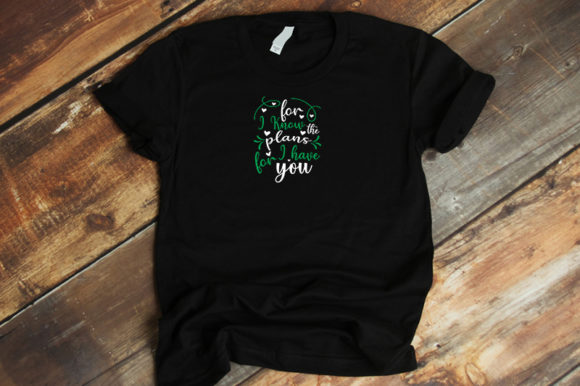
Right away, the mood of the design struck me as gentle, trustworthy, and deeply personal. The verse from Jeremiah is one people lean on, and a design carrying those words has to feel like a quiet promise, not a loud statement. The layout—often driven by a flowing script paired with a structured typeface—creates that soft-but-stable personality. Even as a set of digital files (SVG, DXF, EPS, PNG), I could tell the designer paid attention to breathing room around the letters. That matters enormously when you convert artwork into machine embroidery design stitches, because crowded lettering is the fastest way to ruin a heartfelt gift.
Where This Design Truly Belongs
Not every piece of verse art translates well to thread. But For I Know the Plans I Have naturally leans into projects where emotional connection sells the product. I saw it thriving on custom apparel like cozy sweatshirts, relaxed-fit tees, and baby onesies. It also felt right on home items—think a simple linen pillow cover, a kitchen towel gifted at a bridal shower, or a nursery wall hanging that becomes a keepsake. Because the message is both uplifting and timeless, it elevates a handmade product into something that feels boutique-ready. If you’re a craft business owner or an Etsy seller, this is the kind of design that stops a scroll—people buy the feeling first, the product second.
Real Project Test: From Screen to Stitches on a Tote Bag
For that baby shower tote, I took the PNG and SVG files and brought them into my digitizing software. The artwork was clean enough to auto-trace with minimal node cleanup, which already saved me twenty minutes of frustration. I set up a simple running stitch for the delicate accent lines, a smooth satin stitch for the main lettering, and a light fill stitch behind the decorative elements. On a midweight canvas, a cutaway stabilizer kept everything crisp, and I tested a 4x4 hoop size version to check scaling. The slightly scripty parts of the phrase — “plans I have” — needed a smidge of widening so the stitches didn’t sink into the fabric texture, but that’s normal. Once I nailed the thread colors — a deep teal against the beige linen — the design looked like it had always been there.
What I appreciated most was how the layout held together even when I scaled it down for a cap brim trial later. Not every graphic survives miniaturization, but this one’s thoughtful spacing meant I didn’t lose the “I” or the flourishes in the abbreviation. For friends doing baby embroidery on tiny onesies, that’s a huge plus.
The Stitching Truth Nobody Talks About
Here’s where I put my reviewer hat on firmly. This design is beautiful, but it’s not a grab-and-go embroidered patch file. What you’re receiving are graphics — versatile, resizable master files that you or your digitizer must turn into a stitchable format. The included SVG, DXF, EPS, and PNG options are exactly what you need for that process, but I’d caution beginners: tiny lettering will betray you on highly textured or stretchy fabrics without proper density adjustment. I ran a test on a thin, soft t-shirt and saw some slight puckering around the serif details when I used a standard satin stitch preset. A quick fix with a heavier stabilizer and a wound-whip underlay smoothed it right out, but don’t skip that step.
Also, the moody elegance of the design can disappear if you choose high-contrast thread on a fabric that fights it. For dark garments like a charcoal hoodie, silver or gold thread preserved the airy feel. On white, a muted navy or dusty rose kept it from looking harsh. And if you plan to stitch this on a curved surface like a cap, be prepared to adjust the arc of the text — the straight baseline can look awkward on a structured crown without some digitizing finesse.
Fabric and Color Choices That Make It Shine
I tested the design across several fabric backdrops to see where it landed best. Linen and cotton-canvas gave the stitches a matte sophistication, letting the message feel like a permanent inscription. On plush blankets or fleece, the fill stitch areas benefitted from a water-soluble topper so stitches didn’t sink. For a holiday embroidery angle—think Christmas stockings or a Thanksgiving apron—warm metallic threads lifted the design into something celebratory without losing reverence. This flexibility makes it a strong asset for shops that personalize tote bag design, sweatshirt embroidery, or seasonal decorations.
How This Design Elevates Handmade Products
When I picture this piece in a craft fair booth or an Etsy listing photo, I see buyers slowing down. There’s a recognition factor — people know the verse, they connect with it, and they immediately think of someone they love. That’s gold for personalized gift sellers. The design’s clean structure also means it works beautifully in printable mockup previews; you can show it on a digital pillow or a baby blanket and it sells itself. From a branding perspective, offering this on a line of boutique products signals consistency and thoughtfulness. Customers who buy one item with this design often return for a matching set — I’ve seen it happen with scripture-based collections.
But within that commercial appeal, there’s a subtle responsibility: the message must look flawless every time. A single misaligned letter on an embroidered patch or a weird gap in the stitching can undermine the whole feeling. So if you’re selling finished goods, invest the time in a professional digitizing test. Your buyer’s trust is stitched right there next to the thread.
Designer’s Technical Checklist Before You Stitch
I’m a big fan of real-world preparation, not just inspiration. Before you take For I Know the Plans I Have into a final project, here’s what I check every time:
- Digitize & test on scrap fabric — always, especially to catch thin lettering issues.
- Confirm hoop size compatibility — the design needs to fit your smallest and largest hoops with room to spare for clamping.
- Review stitch density — dig into the underlay and pull compensation for the fabric type you’re using.
- Check thread color contrast — view it in black and white to see if the text still reads, especially on dark backgrounds.
- Inspect small details — the decorative dots, flourishes, or serif ends must not become solid blobs at smaller sizes.
- Stabilizer selection — use cutaway for knits, tear-away for wovens, and add a topper for plush fabrics.
- Wash test the final product — nothing reveals weak digitizing like a warm cycle and a dryer.
- Check licensing — this design is provided as a graphic asset; verify the terms allow for commercial finished products if you intend to sell the embroidered pieces.
The Underrated Magic of Mixing Formats
I want to pause on something the Graphics category description hints at but doesn’t shout about: owning SVG and EPS files gives you immense control. You’re not locked into one embroidery software. You can import the vector into Wilcom, Hatch, Embrilliance, or even send it to a contract digitizer and get exactly the stitch type you want. The PNG is perfect for mockups and quick previews, while DXF might serve well if you’re combining this with a laser-engraved component on a keychain or a wooden sign. That multi-format flexibility is a quiet power move for creative entrepreneurs who offer more than one product type.
Stitching It All Together
After eight test runs across different fabrics and products, For I Know the Plans I Have earned a permanent spot in my digitized design library. It’s not a simple plug-and-play digital embroidery file — you’ll need that mindful conversion step — but the result, when done correctly, is the kind of product that makes a customer hold it tighter. Whether you’re building a small shop product line, preparing a memorable holiday gift, or adding a faith-centered option to your custom apparel collection, this design carries the quiet weight of a blessing. Just respect the tiny letters, test your thread choices, and let the finished piece do the talking. That’s what real design judgment is about.